A Full-Circle Journey: Returning to the Lakes of Zackenberg with FROST

Mollie Izabella Olsen, Master student.


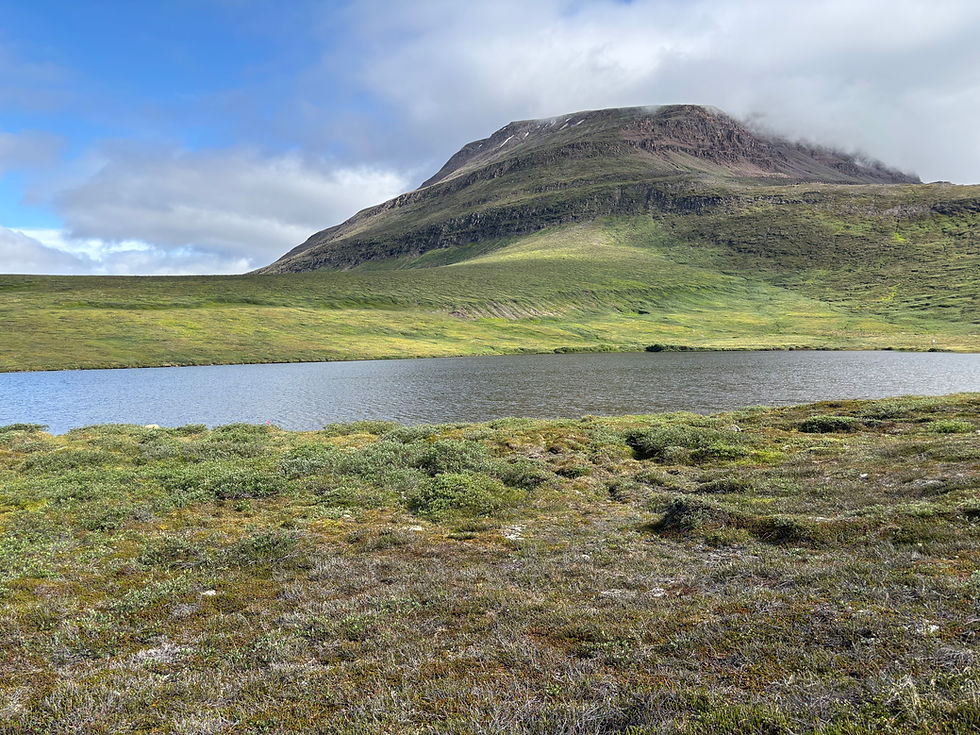
Hello, I´m Mollie and this summer I had the pleasure of assisting my former bachelor’s thesis supervisor, Kirsten Seestern Christoffersen, with monitoring and collecting samples from the very same lakes, Sommerfuglesø and Langemandssø, that formed the basis of my bachelor’s project. I was already in Zackenberg sampling for my masters project.
In my bachelor’s project, I investigated how increased snowmelt and precipitation affect the primary production of phytoplankton. This time, however, the samples were collected for the FROST research project, which runs from 2025 to 2029 and examines how warmer winters and increased snow cover affect lakes throughout the Arctic.
Kirsten and I spent two days at the lakes, where we measured physicochemical parameters, collected water samples for zooplankton and chlorophyll analyses, sampled biofilms and benthic invertebrates and sat nets for catching Arctic char. Due to the very small fish population we sat only one net for some hours and did not get any fish.

During our trips to the lakes, which are a 60-minute walk from the research station, we encountered a polar bear one day and had to retrieve until the bear had left the scene. Another day we came close to two grazing muskoxen – they starred at us and left.
What is so amazing about Zackenberg, which is part of the world's largest national park, is the opportunity to encounter wildlife spontaneously, on its own terms. Although it can sometimes be frustrating when a wandering polar bear delays your research, I love that in places like these, nature comes before human interests. The polar bear we encountered had apparently also enjoyed its time at the lakes: when we returned, we discovered that the floating buoy we had left by the shore just two days earlier had several chew marks in it!


It was a truly special experience to finally see and work with the lakes that I had previously only engaged with through data. It felt like a perfect full-circle moment. This experience was made even more rewarding by the opportunity to draw on the knowledge and experience I had gained from a previous project on biofilms - a study my group and I conducted during the Arctic Biological Field Course at the Arctic Station in July (Qeqertarsuaq, West Greenland.